
Anúncios
Your coffee table is more than just furniture—it’s the centerpiece of your living room, balancing style and function while reflecting your personality and design sensibility.
In today’s modern homes, coffee tables have evolved from simple surfaces into dynamic statement pieces that anchor entire living spaces. Whether you’re working with a minimalist aesthetic, embracing bohemian vibes, or cultivating an industrial edge, how you style your coffee table can dramatically transform the atmosphere of your room. The art of coffee table styling combines practical considerations with creative expression, turning an everyday surface into a curated display that welcomes guests and elevates your daily living experience.
Creating a beautifully styled coffee table isn’t about following rigid rules or replicating catalog photos. Instead, it’s about understanding fundamental design principles and adapting them to your unique space, lifestyle, and aesthetic preferences. From selecting the perfect decorative objects to arranging them in visually appealing compositions, every choice contributes to the overall harmony of your living room.
Understanding the Foundation: Choosing Your Coffee Table Wisely 🛋️
Before diving into styling techniques, the coffee table itself deserves careful consideration. Modern coffee tables come in countless shapes, sizes, and materials, each offering distinct advantages for different living room configurations and design philosophies.
The scale of your coffee table should harmonize with your seating arrangement. As a general guideline, your coffee table should measure approximately two-thirds the length of your sofa and sit about the same height as your seat cushions or slightly lower. This proportion creates visual balance while ensuring practical accessibility from all seating positions.
Material selection significantly impacts both aesthetic and functionality. Glass coffee tables create an airy, light-filled atmosphere perfect for smaller spaces, while wooden tables bring warmth and organic texture. Marble surfaces offer timeless luxury, metal frames provide industrial edge, and mixed-material designs combine the best of multiple worlds. Consider your lifestyle demands—households with young children might prioritize durability and rounded edges, while pet owners might avoid easily scratched surfaces.
Shape Psychology in Coffee Table Design
The shape you choose communicates different design messages. Rectangular tables suit traditional arrangements and longer sofas, providing ample surface area for styling opportunities. Round coffee tables soften angular furniture arrangements and facilitate better traffic flow in compact spaces. Square tables work beautifully in symmetrical room layouts, while organic, irregular shapes make bold contemporary statements.
The Golden Rule of Thirds: Creating Visual Balance
Professional interior designers frequently employ the “rule of thirds” when styling coffee tables. This principle involves mentally dividing your table surface into three sections and creating distinct groupings within these zones, allowing negative space to breathe between arrangements.
This approach prevents overcrowding while establishing visual rhythm. One section might feature a stack of design books, another could showcase a decorative bowl or tray, and the third remains intentionally empty for functional use. The beauty of this method lies in its flexibility—you can adjust proportions based on your table’s size and your practical needs.
Varying heights within your arrangements adds dimension and visual interest. Combine tall elements like candlesticks or vases with medium-height objects such as books and low-profile items like decorative boxes or trays. This layering creates depth that draws the eye across the entire surface rather than settling on a single focal point.
Essential Elements for Modern Coffee Table Styling ✨
While personal style dictates specific choices, certain categories of objects consistently create well-balanced, visually appealing coffee table displays in modern interiors.
Books as Foundation Pieces
Coffee table books serve dual purposes—they provide physical elevation for other objects while showcasing your interests and personality. Select books with beautiful covers that complement your color scheme, choosing topics that genuinely interest you, from architecture and photography to fashion and travel. Stack them in groups of two to four, alternating horizontal and vertical orientations for variety.
Natural Elements and Organic Textures
Incorporating nature into your coffee table styling brings life, color, and organic irregularity to counterbalance manufactured furniture. Fresh flowers in simple vases create focal points with seasonal variety, while potted succulents or air plants offer low-maintenance greenery. Natural materials like wooden bowls, stone coasters, or coral specimens add textural interest and earthy grounding.
Decorative Objects with Purpose
Sculptural pieces, ceramic vessels, and artistic objects express personality while filling visual space. Select items with interesting shapes, textures, or colors that complement your overall design scheme. These pieces shouldn’t merely sit pretty—choose objects that spark conversation or hold meaningful memories, transforming your coffee table into a reflection of your unique story.
Functional Beauty: Trays and Containers
Trays serve as organizing anchors, corralling smaller items into cohesive groupings while protecting table surfaces. Choose materials that contrast with your table—a wooden tray on a glass table, a metallic tray on wood, or a marble tray on metal. Within trays, arrange candles, small plants, or decorative objects for contained visual impact that’s easily rearranged or cleared when needed.
Color Coordination and Material Mixing
Successful coffee table styling requires thoughtful attention to color relationships and material combinations. Modern aesthetics often embrace restrained color palettes with intentional pops of contrast.
Monochromatic schemes create sophisticated, calming displays using varying shades of a single color family. This approach works beautifully in minimalist or Scandinavian-inspired spaces. Alternatively, complementary color pairings—like navy and brass, blush and gray, or emerald and natural wood—add visual energy while maintaining cohesion.
Material mixing prevents monotony and adds dimension. Combine smooth with rough, shiny with matte, organic with manufactured. A ceramic vase beside a brass candleholder next to a woven basket creates tactile variety that engages multiple senses and prevents visual flatness.
Seasonal Styling: Refreshing Your Coffee Table Throughout the Year 🍂
One advantage of coffee table styling is the ease of seasonal updates. Small changes can dramatically shift the mood of your entire living room without major renovations or investments.
Spring styling might incorporate pastel color palettes, fresh tulips or peonies, and lighter textures like linen or ceramic. Summer calls for vibrant colors, tropical leaves, and airy arrangements that feel fresh and breezy. Autumn invites warmer tones—burnt orange, deep burgundy, rich browns—alongside natural elements like pinecones, branches, or pumpkins. Winter styling embraces metallics, evergreen branches, candles for ambient lighting, and cozy textures.
These seasonal rotations keep your space feeling current and responsive to changing light, weather, and holidays while allowing creative expression throughout the year.
Balancing Aesthetics with Everyday Functionality
The most beautifully styled coffee table fails if it doesn’t accommodate actual living. Modern coffee table design must reconcile visual appeal with practical use—a challenge requiring thoughtful planning.
Reserve at least one-third of your table surface completely clear for setting down drinks, remote controls, or laptops. This functional zone ensures your carefully curated display doesn’t become an obstacle to comfortable living. Consider your household’s specific needs—do you frequently entertain, requiring space for appetizer plates? Do children need accessible coloring space? Does your evening routine involve propping up feet?
Stackable coasters within decorative holders, beautiful boxes that conceal remote controls, and attractive containers for reading glasses blend function with form. The goal isn’t choosing between beauty and utility but finding creative solutions that deliver both.
Style-Specific Approaches to Coffee Table Design 🎨
Minimalist Modern Styling
Minimalist coffee tables embrace the philosophy that less is more. Select one or two statement pieces with clean lines and sculptural qualities. A single architecture book, a modern ceramic vessel, and perhaps one small plant create impact through restraint. Negative space becomes a design element itself, allowing each object to command attention without competition.
Bohemian Eclectic Arrangements
Bohemian styling welcomes abundance and personality. Layer vintage books, collected treasures from travels, textured textiles, crystals, and vibrant plants in joyful arrangements. Mix metallic finishes, combine patterns, and embrace asymmetry. The key lies in maintaining some organizational principle—perhaps a unifying color thread or material family—that prevents chaos while celebrating variety.
Industrial Edge Styling
Industrial coffee table styling pairs raw materials with refined objects. Exposed metal, reclaimed wood, concrete, and leather create foundation textures. Add vintage factory finds, Edison bulb lamps, geometric sculptures, or botanical prints in simple frames. The aesthetic balances rough authenticity with curated sophistication.
Scandinavian Simplicity
Scandinavian design emphasizes functionality, natural materials, and understated elegance. Style with pale woods, white ceramics, simple glassware, and minimal greenery. Textiles should be natural—linen, wool, cotton—in neutral tones with perhaps one muted accent color. Every object serves a purpose while contributing to serene visual harmony.
Common Coffee Table Styling Mistakes to Avoid
Even with good intentions, certain pitfalls can undermine your styling efforts. Awareness of common mistakes helps you navigate toward more successful arrangements.
Overcrowding ranks among the most frequent errors. When every inch of surface holds an object, the eye finds no resting place, creating visual anxiety rather than appeal. Remember that empty space functions as a design element, providing breathing room that allows individual pieces to shine.
Scale mismatches create awkward proportions. Tiny objects on large tables appear lost and insignificant, while oversized pieces on small tables overwhelm. Ensure your decorative items relate proportionally to your table dimensions, grouping smaller objects together to create appropriate visual weight.
Ignoring height variation produces flat, uninteresting displays. Everything sitting at the same level fails to create the dimensional interest that draws attention and maintains engagement. Intentionally vary heights through stacking, using objects of different sizes, or incorporating tall elements like candles or vases.
Neglecting your overall room aesthetic creates disconnection. Your coffee table styling should harmonize with surrounding furniture, artwork, and accessories rather than existing as an isolated display. Consider color relationships, material echoes, and style consistency across your entire living space.
The Art of Asymmetry and Organic Arrangement
While balance matters, perfect symmetry often feels sterile and staged in modern interiors. Asymmetrical arrangements create more dynamic, lived-in appeal while maintaining visual equilibrium through thoughtful weight distribution.
Rather than mirroring objects on opposite sides of your table, create balance through compensating elements. A tall vase on one side might be balanced by a stack of books and a decorative box on the other. The visual weight feels equivalent without identical repetition.
Organic, triangle-based arrangements guide the eye naturally around your display. Position your three main elements—perhaps books, a plant, and a decorative object—at triangle points, then fill gaps with smaller items or leave them intentionally empty. This creates movement and prevents static, grid-like arrangements.
Lighting Considerations for Coffee Table Impact 💡
How light interacts with your coffee table styling dramatically affects its visual impact. Consider both natural and artificial lighting when planning your arrangement.
Reflective surfaces like glass, metal, or glazed ceramics catch and bounce light, creating sparkle and visual interest. Position these materials where they’ll capture light sources—near windows during daytime or beneath lamps in evening hours. Matte, textured objects absorb light, providing visual rest and preventing overwhelming shine.
Candles offer functional ambient lighting while serving as decorative objects. Group candles of varying heights on a tray or scatter individual candles across your arrangement. Choose unscented options if you prefer avoiding fragrance competition with room diffusers or fresh flowers.
Budget-Friendly Styling Solutions
Creating a beautifully styled coffee table doesn’t require expensive investments. Thoughtful curation of affordable items can achieve equally impressive results as designer pieces.
Thrift stores and vintage shops offer unique vessels, interesting books, and one-of-a-kind objects at fraction-of-retail prices. These finds often possess more character than mass-produced items while telling more interesting stories.
Natural elements cost nothing but foraging time. Collect interesting branches, stones, shells, or seasonal items from nature walks. Displayed in simple containers, these organic treasures bring authentic beauty without price tags.
DIY projects transform ordinary items into custom styling pieces. Paint thrifted candlesticks in coordinating colors, recover book jackets with beautiful paper, or create your own concrete or plaster vessels. These personalized touches ensure absolute uniqueness.
Maintaining Your Styled Coffee Table Over Time
Once you’ve achieved your ideal arrangement, maintaining its beauty requires minimal but consistent attention. Dust regularly using appropriate methods for different materials—microfiber cloths for wood, glass cleaner for transparent surfaces, gentle brushes for textured objects.
Refresh flowers and plants as needed, removing wilted blooms promptly to maintain visual appeal. Rotate seasonal elements to keep your display feeling current and responsive to changing environments.
Don’t fear adjustment and evolution. As your tastes develop, your living patterns change, or you acquire new meaningful objects, allow your coffee table styling to grow with you. The best arrangements reflect genuine life rather than frozen magazine moments.
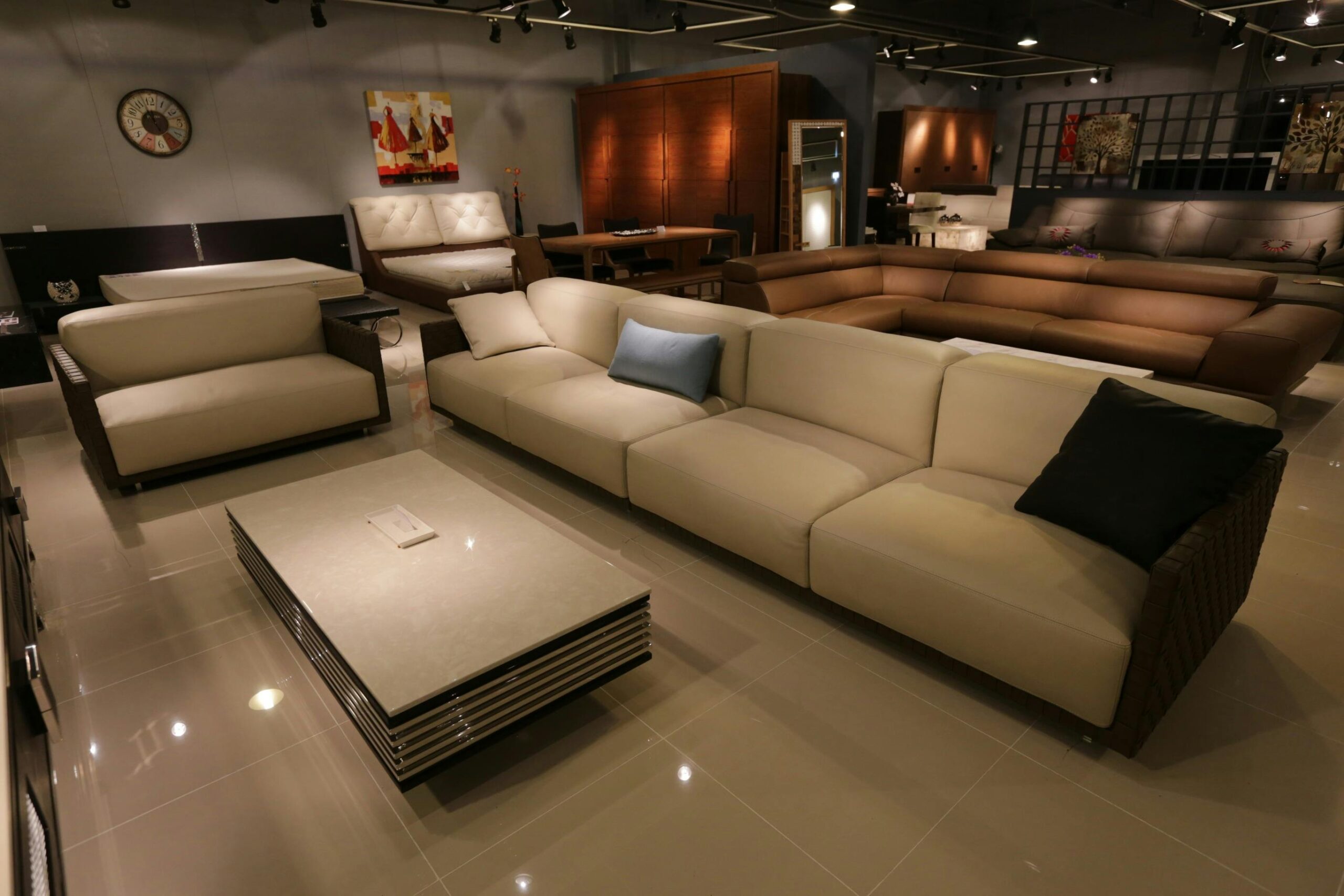
Creating Your Signature Coffee Table Style 🌟
Ultimately, successful coffee table styling emerges from understanding principles while trusting your instincts and honoring your authentic preferences. The guidelines provided offer frameworks, not rigid prescriptions.
Experiment with different arrangements, live with them for several days, and notice how they make you feel. Does your display bring joy when you enter the room? Does it facilitate your lifestyle or create obstacles? Does it reflect who you are and how you want to live?
Your coffee table represents a small canvas with significant impact, capable of transforming your living room’s entire atmosphere. Through thoughtful selection, intentional arrangement, and personal expression, this humble surface becomes a daily source of beauty, function, and inspiration—elevating not just your living room, but your entire experience of home.
Start with one or two elements that genuinely speak to you, build gradually, edit ruthlessly, and remember that the most successful styling balances aesthetic beauty with authentic living. Your perfect coffee table exists at the intersection of visual appeal and practical reality, waiting for you to discover and create it.
