
Anúncios
Creating a home office that balances comfort, productivity, and style doesn’t have to drain your wallet or compromise your vision.
The shift toward remote work has transformed spare bedrooms, corners of living rooms, and even closets into functional workspaces. Whether you’re a full-time remote worker, a freelancer, or someone who occasionally works from home, your environment significantly impacts your performance and well-being. The good news? You don’t need thousands of dollars to create an inspiring workspace that motivates you every single day.
This comprehensive guide will walk you through affordable home office setup ideas that prioritize ergonomics, aesthetics, and efficiency. From furniture selection to lighting solutions, we’ll explore practical strategies that transform any space into a productivity powerhouse while reflecting your personal style. Let’s dive into creating a workspace that you’ll actually look forward to using each morning! ✨
Understanding Your Space and Needs Before Investing
Before purchasing a single item, take time to assess your available space and specific requirements. This preliminary step prevents costly mistakes and ensures every dollar spent contributes to your ultimate goal—a functional, beautiful workspace.
Measure your designated area carefully, noting electrical outlet locations, natural light sources, and traffic flow patterns. Consider whether you need video conferencing capabilities, which require appropriate backgrounds and lighting. Think about storage needs for documents, supplies, and equipment. Do you take frequent calls that require privacy? Will clients or colleagues see your space during virtual meetings?
Create a prioritized list of must-haves versus nice-to-haves. Essential items typically include a stable work surface, comfortable seating, adequate lighting, and organizational tools. Secondary considerations might include decorative elements, advanced tech accessories, or specialized furniture pieces.
Budget-Friendly Desk Solutions That Don’t Compromise Quality
Your desk serves as the foundation of your home office, but premium doesn’t always mean pricey. Several affordable options deliver both functionality and style without breaking the bank. 💼
Consider these wallet-friendly desk alternatives:
- DIY solutions: Pair affordable sawhorses or filing cabinets with a solid wood door or butcher block countertop for a custom look at a fraction of traditional desk costs
- Wall-mounted fold-down desks: Perfect for small spaces, these compact options provide work surfaces that disappear when not in use
- Second-hand finds: Browse thrift stores, estate sales, and online marketplaces for solid wood desks that simply need refinishing
- Standing desk converters: Transform existing surfaces into adjustable workstations for under $100
- Simple tabletops with legs: Retailers offer basic desk systems where you select tabletop and leg styles separately, often costing less than pre-assembled units
When selecting a desk, ensure it provides adequate surface area for your laptop or monitor, keyboard, mouse, and essential supplies. A depth of at least 24 inches and width of 48 inches accommodates most setups comfortably. Height should allow your elbows to rest at roughly 90-degree angles when typing.
Seating Solutions That Support Your Body and Budget
Investing in proper seating pays dividends in comfort, health, and sustained productivity. While ergonomic chairs can cost hundreds or even thousands of dollars, affordable alternatives provide adequate support for most users.
Look for chairs with adjustable height mechanisms, lumbar support, and breathable materials. Many budget-friendly office chairs from major retailers include these essential features for under $150. If purchasing new isn’t feasible, consider adding ergonomic accessories to existing seating—lumbar cushions, seat wedges, and armrest pads dramatically improve comfort for minimal investment.
Test chairs before purchasing whenever possible. Your feet should rest flat on the floor (or footrest), thighs parallel to the ground, and back fully supported. Remember that you’ll spend significant time in this chair; even small discomforts compound over hours and weeks.
Alternative Seating for Movement and Variety
Incorporating movement throughout your workday combats the negative health effects of prolonged sitting. Consider supplementing your primary chair with affordable alternatives like stability balls, wobble stools, or floor cushions for position changes. These options typically cost between $20-$60 and encourage active sitting that engages core muscles.
Lighting Strategies That Energize and Protect Your Eyes
Proper lighting reduces eye strain, improves mood, and enhances video call appearance—all crucial for home office success. Fortunately, effective lighting doesn’t require expensive overhauls. 💡
Maximize natural light by positioning your desk perpendicular to windows rather than directly facing or backing them. This arrangement provides illumination without creating screen glare or backlighting issues during video calls. Sheer curtains or adjustable blinds offer control over natural light intensity throughout the day.
Layer artificial lighting to eliminate shadows and create balanced illumination. A three-point lighting approach works beautifully:
- Task lighting: Affordable LED desk lamps with adjustable arms direct light precisely where needed for reading, writing, or detailed work
- Ambient lighting: Floor lamps or ceiling fixtures provide overall room illumination, preventing stark contrasts that strain eyes
- Accent lighting: String lights, small table lamps, or LED strips add warmth and personality while filling shadows
Choose bulbs with color temperatures between 3000-5000K for home offices. This range provides energizing brightness without the harsh, clinical feel of higher temperatures. Dimmable options offer flexibility for different tasks and times of day.
Organization Systems That Maximize Efficiency and Minimize Clutter
An organized workspace directly correlates with mental clarity and productivity. Smart organization doesn’t require expensive built-ins or custom solutions—creative use of affordable products achieves excellent results.
Vertical storage maximizes limited square footage. Wall-mounted shelves, pegboards, and hanging organizers utilize often-wasted wall space for supplies, books, and decorative items. Floating shelves cost as little as $10-30 per unit and create visual interest while providing functionality.
Desktop organizers corral small items that otherwise create visual chaos. Pen holders, document trays, cable management boxes, and drawer dividers maintain order for minimal investment. Repurposed household items—mason jars, decorative boxes, magazine holders—serve organizational purposes while adding personal flair.
Digital Organization Tools for Paperless Workflows
Reducing physical clutter starts with embracing digital alternatives. Cloud storage, project management apps, and digital note-taking tools minimize paper accumulation while improving accessibility and collaboration capabilities.

Scanning important documents creates digital backups while eliminating filing cabinet needs. Many smartphone apps provide capable scanning functionality at no cost, transforming your phone into a powerful digitization tool.
Technology Setup That Enhances Performance Without Overspending
While technology represents significant home office expenses, strategic choices deliver excellent performance within budget constraints. Focus investments on items directly impacting your work quality and efficiency. 🖥️
A second monitor dramatically improves productivity for many professionals, eliminating constant window switching. Affordable options under $150 provide adequate resolution and size for most applications. Alternatively, tablets or older monitors repurposed as secondary displays extend screen real estate for minimal cost.
Quality webcams and microphones prove essential for professionals conducting frequent video calls. Surprisingly capable options exist between $30-70, offering substantial improvements over built-in laptop cameras and microphones. Proper positioning and lighting often matter more than equipment costs for video call quality.
Cable management prevents tangled messes while improving aesthetics. Adhesive cable clips, velcro straps, and under-desk cable trays cost just a few dollars but transform chaotic wire situations into neat, professional setups.
Styling Your Space With Personality and Purpose
A workspace that reflects your personality and values inspires creativity and motivation. Affordable styling transforms functional spaces into environments where you genuinely enjoy spending time.
Color psychology plays powerful roles in mood and productivity. Blues and greens promote calm focus, while yellows and oranges energize and encourage creativity. Incorporate preferred colors through wall paint (the most impactful budget update), artwork, accessories, and textiles.
Plants improve air quality, reduce stress, and add natural beauty to workspaces. Low-maintenance varieties like pothos, snake plants, and succulents thrive in various lighting conditions and forgive occasional neglect. Small plants start around $5-15, making them accessible styling elements with tangible benefits. 🌿
Artwork and Personal Touches That Inspire
Bare walls feel institutional and uninspiring. Frame meaningful photographs, children’s artwork, motivational quotes, or affordable prints that resonate with your interests and goals. Gallery walls create focal points using mismatched frames from thrift stores for cohesive, personalized displays.
Textiles soften hard surfaces while adding warmth and texture. Area rugs define workspace zones, curtains control light and add softness, and throw pillows on guest chairs provide comfort and color pops. Affordable options abound at discount retailers and online marketplaces.
Acoustic Treatments for Better Sound Quality and Focus
Sound management often gets overlooked in home office planning, yet acoustic comfort significantly impacts concentration and call quality. Simple, affordable treatments dramatically improve your sonic environment.
Hard surfaces—walls, floors, desks—create echo and amplify noise. Soft materials absorb sound, reducing reverberation and outside noise intrusion. Strategically placed rugs, curtains, upholstered furniture, and wall hangings improve acoustics without specialized treatments.
For dedicated sound absorption, affordable acoustic panels made from foam or fabric-wrapped insulation provide professional results. DIY options using basic materials cost even less while offering customization opportunities that match your décor.
White noise machines or apps mask distracting sounds, creating consistent audio environments that improve focus. These tools prove especially valuable in homes with children, pets, or street noise. Quality devices start around $20-30, with free apps providing basic functionality.
Climate Control Considerations for Year-Round Comfort
Temperature significantly affects comfort and cognitive performance. If your home office lacks dedicated climate control, affordable solutions maintain comfortable working conditions throughout the year. 🌡️
Personal fans provide targeted cooling during warm months without affecting household thermostat settings. Small space heaters similarly offer localized warmth when needed. Energy-efficient models in both categories cost between $20-50 and pay for themselves through reduced whole-house heating and cooling needs.
Window treatments regulate temperature by blocking heat gain during summer and preventing heat loss during winter. Cellular shades trap insulating air, while blackout curtains block solar heat. These solutions typically cost less than increased energy bills from compensating with HVAC systems.
Ergonomic Accessories That Prevent Discomfort and Injury
Ergonomic accessories represent some of the most cost-effective investments for home office comfort and health. Small tools prevent the cumulative strain that leads to repetitive stress injuries and chronic pain.
Essential ergonomic accessories include:
- Keyboard and mouse wrist rests: Maintain neutral wrist positions during typing and navigation ($10-25)
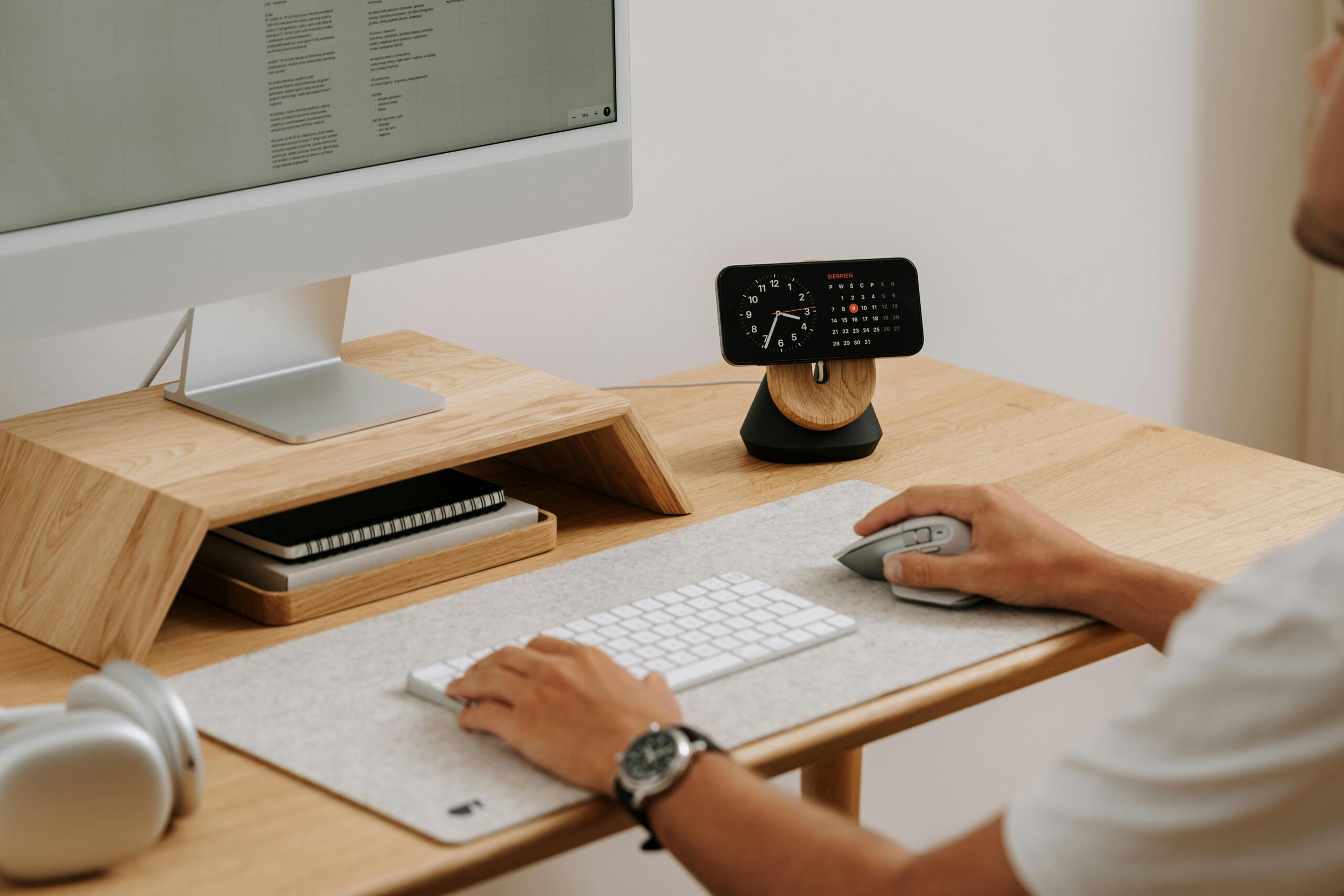
- Monitor stands or arms: Position screens at proper eye level, reducing neck strain ($15-50)
- Footrests: Support proper posture when chair height leaves feet dangling ($15-35)
- Document holders: Position reference materials at eye level, preventing repetitive neck turning ($10-30)
- Anti-fatigue mats: Cushion standing positions, encouraging movement and reducing leg fatigue ($25-60)
These modest investments prevent discomfort that costs significantly more in lost productivity, medical treatments, and chronic pain management. Prevention always costs less than remediation.
Creating Boundaries Between Work and Home Life
Physical workspace boundaries help maintain work-life balance, especially when offices occupy multipurpose rooms. Visual and psychological separation prevents work from bleeding into personal time and vice versa.
Room dividers, curtains, or bookcases physically separate work zones from living spaces in shared rooms. These solutions clearly demarcate boundaries while maintaining flexibility. Affordable options include folding screens, tension-mounted curtain rods with fabric panels, or strategically positioned furniture.
Establishing rituals that signal work beginning and ending reinforces boundaries. Simple actions—opening blinds, lighting candles, or playing specific music—create psychological transitions between work and personal modes. These cost-free practices prove surprisingly effective for mental compartmentalization.
Maximizing Small Spaces With Smart Solutions
Limited square footage doesn’t preclude functional home offices. Creative approaches and space-efficient solutions transform even the smallest areas into productive workspaces. 📐
Corner desks maximize awkward spaces that typically go unused. These configurations provide surprising surface area while occupying minimal floor space. Similarly, wall-mounted desks and floating shelves create vertical work zones without footprint expansion.
Multi-functional furniture serves multiple purposes, essential for space-constrained setups. Desks with built-in storage, ottomans with interior compartments, and fold-down tables that disappear when not needed maximize utility per square foot.
Keep only essential items in small offices, storing occasional-use supplies elsewhere. This discipline prevents overwhelming cramped spaces while maintaining functionality for daily tasks. Regular decluttering sessions ensure spaces remain manageable and pleasant.
Maintaining and Evolving Your Workspace Over Time
Your ideal home office evolves with changing needs, technologies, and preferences. Building flexibility into initial setups accommodates growth without requiring complete overhauls.
Modular furniture and adjustable systems adapt to changing requirements. Shelving units that reconfigure, desks with removable components, and multi-position accessories provide longevity and flexibility that justify slightly higher initial investments.
Regular maintenance preserves your space and investments. Weekly cleaning, monthly organization reviews, and quarterly assessments of what’s working versus what needs adjustment keep workspaces functional and inspiring. Small tweaks often deliver significant improvements without financial outlay.
Budget for gradual upgrades rather than expecting perfection immediately. Identify one improvement quarterly—better lighting, enhanced storage, upgraded seating—spreading costs over time while continuously enhancing your environment. This approach remains financially sustainable while maintaining momentum toward your ideal workspace.
Bringing It All Together: Your Personalized Action Plan
Transforming your space into an affordable, comfortable, productive, and stylish home office requires thoughtful planning and strategic execution. Start by addressing fundamental needs—stable work surface, comfortable seating, adequate lighting—before adding enhancements.
Create a realistic budget allocating resources to priorities identified during your initial assessment. Remember that effective home offices emerge from smart choices rather than unlimited spending. Many impactful improvements cost little or nothing beyond creativity and effort.
Implement changes gradually, living with each modification before adding the next. This measured approach prevents overwhelming spaces and budgets while allowing time to understand what truly serves your working style. Your perfect home office represents a journey, not a destination—enjoy the process of creating a space that genuinely supports your success and well-being! 🚀
Your home office should energize rather than drain you, inspire rather than discourage you, and support rather than hinder your best work. With these affordable ideas and strategies, you’re equipped to transform any space into the productive, comfortable, stylish workspace you deserve. Start with one small change today, and watch your environment—and your work—transform remarkably.
